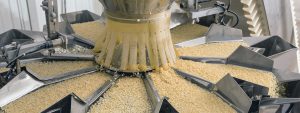
Feed Mill Factory Animation
- Increase in Production Efficiency: Automation optimizes production processes and minimizes human errors, thereby increasing production efficiency. Technologies such as automatic feeding systems and packaging machines increase production speed while reducing labor costs.
- Quality Control: Automation enhances quality control in feed production. Precise measuring devices and sensors continuously monitor and control the quality of raw materials and products, reducing unwanted variations and improving product quality.
- Cost Reduction: Automation reduces labor costs and minimizes energy and raw material waste, consequently lowering overall production costs. Additionally, more efficient inventory management and production planning can be achieved through automation, further reducing costs.
- Food Safety and Hygiene: By reducing human contact, automation improves food safety and hygiene standards. Automatic cleaning systems and sterilization technologies can be used to ensure the cleanliness of production equipment and facilities, thereby preserving the safety and quality of products.
- Production Flexibility: Automation systems often support flexible production processes. This enables quick adaptation to different feed formulations and faster response to customer demands.
- Data Analysis and Monitoring: Automation collects, analyzes, and monitors data from production processes. These data serve as a valuable resource for continuously improving production processes. Additionally, they can be utilized in other business processes such as supply chain management and customer relationship management.